

Are you experiencing an active security incident or need to initiate your incident response retainer?
Are you experiencing an active security incident or need to initiate your incident response retainer?
Are you experiencing an active security incident or need to initiate your incident response retainer?
Are you experiencing an active security incident or need to initiate your incident response retainer?
Are you experiencing an active security incident or need to initiate your incident response retainer?
Are you experiencing an active security incident or need to initiate your incident response retainer?
Are you experiencing an active security incident or need to initiate your incident response retainer?
Are you experiencing an active security incident or need to initiate your incident response retainer?
Are you experiencing an active security incident or need to initiate your incident response retainer?
Are you experiencing an active security incident or need to initiate your incident response retainer?
Are you experiencing an active security incident or need to initiate your incident response retainer?
Are you experiencing an active security incident or need to initiate your incident response retainer?
Are you experiencing an active security incident or need to initiate your incident response retainer?
Are you experiencing an active security incident or need to initiate your incident response retainer?
Are you experiencing an active security incident or need to initiate your incident response retainer?
Are you experiencing an active security incident or need to initiate your incident response retainer?
Subscribing to the email newsletter ensures you receive a regular digest of the latest insights, exclusive content, and opportunities to connect with other professionals in your field, all while staying informed about upcoming events and community offers.
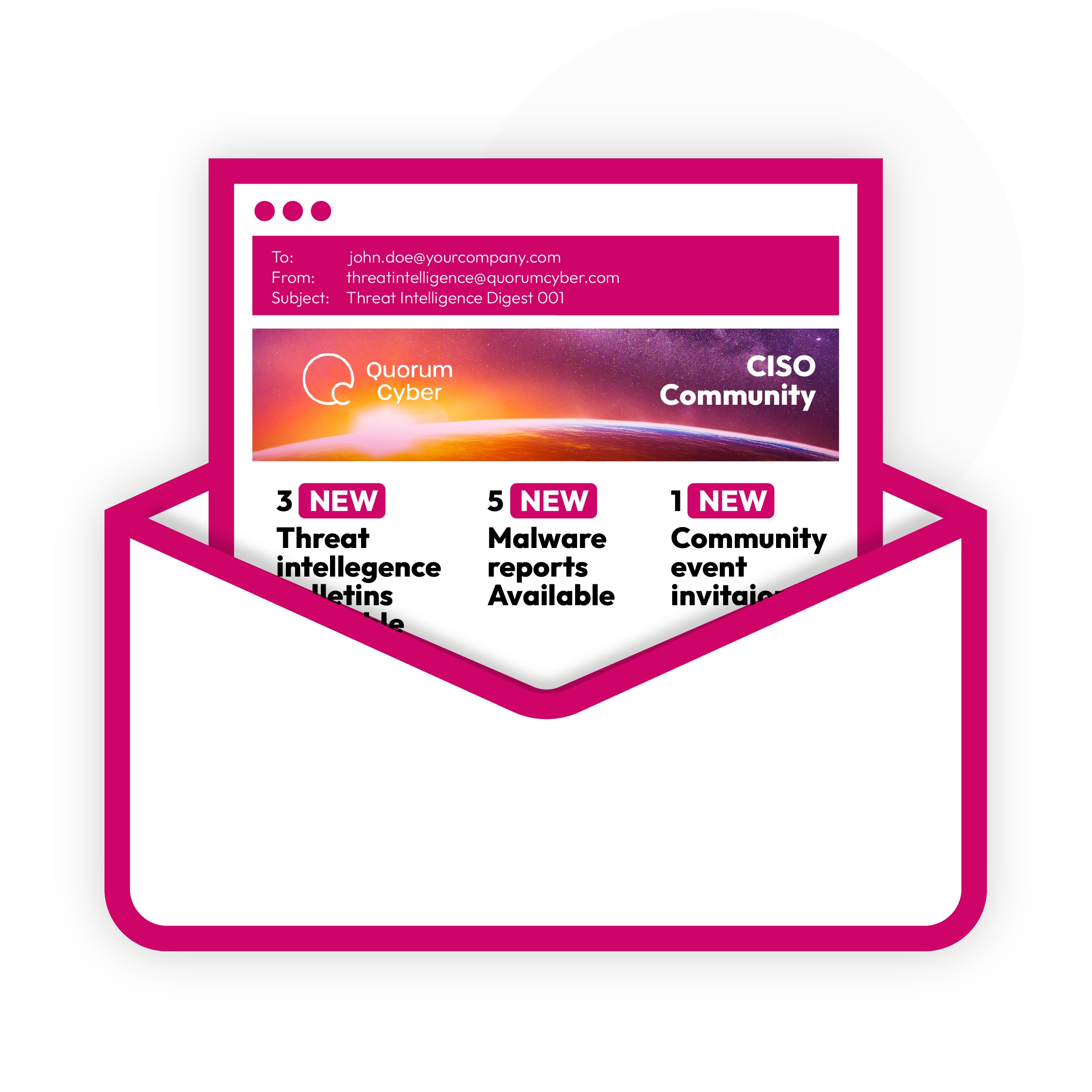

Subscribing to the email newsletter ensures you receive a regular digest of the latest insights, exclusive content, and opportunities to connect with other professionals, all while staying informed about upcoming events and community offers.


