Target Industry
Indiscriminate, opportunistic targeting, with heightened interest among actors already focused on Fortinet infrastructure.
Overview
A critical zero-day vulnerability in Fortinet FortiSIEM, tracked as CVE-2025-25256, has been disclosed with a CVSS score of 9.8 and classified under CWE-78 (Improper Neutralisation of Special Elements in OS Commands). The flaw enables an unauthenticated remote attacker to execute arbitrary commands or code via specially crafted CLI requests.
Fortinet has confirmed the existence of working exploit code circulating publicly. Although no confirmed malicious exploitation has been observed at the time of disclosure, vulnerabilities in Fortinet products with publicly available PoC code have historically been weaponised within days. The current EPSS rating is 1.64%, indicating a low but noteworthy probability of exploitation within the next 30 days.
The disclosure comes shortly after a coordinated brute-force campaign (3–5 August 2025) that targeted Fortinet SSL VPN devices and FortiManager services using more than 780 unique malicious IP addresses. While no operational link has been confirmed, it is plausible that attackers mapping Fortinet services during that campaign may now leverage this zero-day for follow-on compromise.
Impact
Successful exploitation grants attackers the ability to execute arbitrary OS-level commands without authentication. This could lead to complete compromise of the FortiSIEM system, enabling data exfiltration, alteration of monitoring configurations, disabling of security functions, and use of the platform as a pivot point into wider network environments.
Affected Products
- FortiSIEM 6.1–6.6, 6.7.0–6.7.9, 7.0.0–7.0.3, 7.1.0–7.1.7, 7.2.0–7.2.5, and 7.3.0–7.3.1.
- FortiSIEM 7.4 is not affected.
- Patched versions are: 6.7.10+, 7.0.4+, 7.1.8+, 7.2.6+, and 7.3.2+.
Vulnerability Detection
The vulnerability affects the versions listed above. Organisations should verify their current FortiSIEM deployment version against Fortinet’s official advisory (FG-IR-25-152) and update to the patched releases immediately.
Exploitation
- Public exploit code is available.
- No confirmed active exploitation at time of writing.
- Historical patterns suggest exploitation within days of PoC release, especially targeting internet-facing instances.
Containment, Mitigations & Remediations
- Apply vendor patches immediately for all affected versions.
- Restrict access to the phMonitor port (7900) and other management interfaces to trusted IP ranges only.
- Enable detailed logging for FortiSIEM CLI and administrative activity, and regularly review for anomalies.
- Conduct a compromise assessment for any internet-facing system prior to patching.
- Where feasible, enforce multi-factor authentication and strict IP allowlists for all administration portals.
Threat Landscape
FortiSIEM is a widely deployed enterprise monitoring and security management platform, often with high-privilege access to logs, alerts, and integrated security tooling. Its compromise would grant threat actors both operational insight and control over defensive measures.
The confluence of a publicly available exploit, recent large-scale Fortinet targeting, and the product’s high-value position in enterprise security operations significantly increases the risk to unpatched deployments.
Further Information
- Fortinet Security Advisory: https://www.fortiguard.com/psirt/FG-IR-25-152
- NIST NVD Entry: https://nvd.nist.gov/vuln/detail/CVE-2025-25256
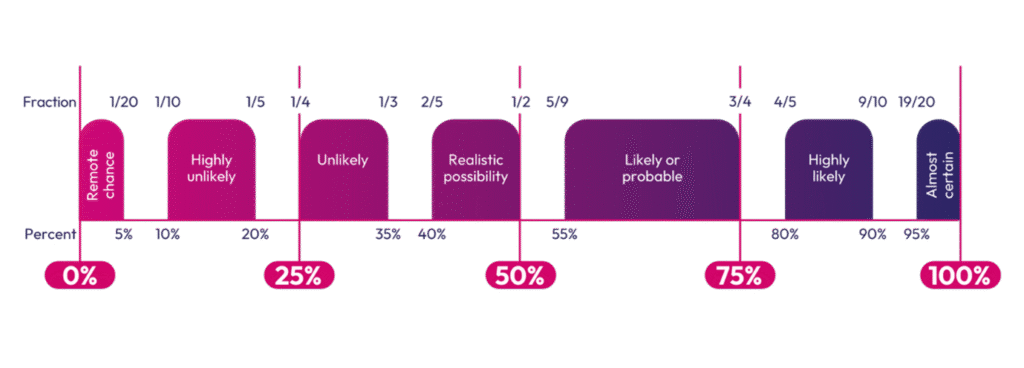
Intelligence Terminology Yardstick